East Texas groundwater battle exposes state’s deepening divide
12/03/2025 / By Willow Tohi
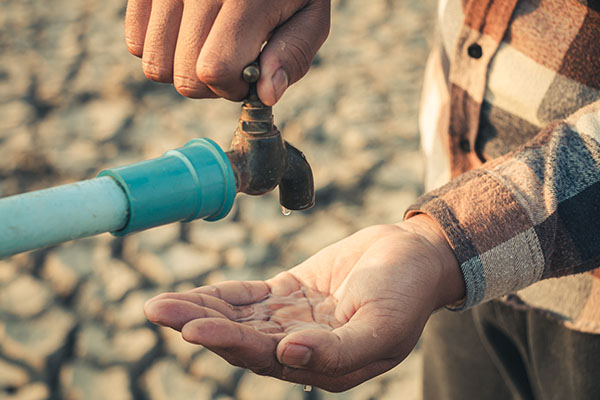
- A Dallas hedge fund manager’s plan to pump 15 billion gallons annually from an East Texas aquifer has ignited a fierce legal and political battle.
- Rural residents and farmers fear the massive withdrawals will deplete local wells, threatening their livelihoods and communities.
- The conflict highlights a growing statewide crisis as booming urban areas increasingly look to distant rural water sources to sustain growth.
- Texas’ unique “rule of capture” groundwater law, which treats water under private land as the owner’s property, is at the center of the dispute.
- The case has spurred calls for legislative reform to better manage shared water resources and protect rural counties from exploitation.
In the piney woods of East Texas, a quiet rebellion is simmering. The catalyst is a plan by Dallas-based hedge fund manager Kyle Bass to pump vast quantities of groundwater from beneath his ranches to sell to thirsty cities elsewhere. This move has united conservative ranchers, farmers and local officials in opposition, sparking a high-stakes legal war and forcing a statewide reckoning over a fundamental question: Who owns Texas’ water? The battle, centered in the Neches & Trinity Valleys Groundwater Conservation District, underscores the unsustainable tension between urban growth and rural survival, challenging long-held political doctrines about property rights and regulation.
A thirsty state looks east
Texas faces a hydrologic crisis. Prolonged droughts and relentless population growth are draining traditional water sources. Major cities along the Interstate 35 corridor, including San Antonio and Austin, are increasingly looking beyond their borders. San Antonio’s 140-mile Vista Ridge pipeline already transports 16 billion gallons per year from the Carrizo-Wilcox aquifer—the same aquifer Bass aims to tap—causing documented declines in nearby rural wells. This pattern repeats as metropolitan areas secure water rights in adjacent rural counties, effectively exporting their water scarcity. The state’s future appears to hinge on a simple, brutal equation: urban expansion requires rural extraction.
The “rule of capture” and its discontents
At the heart of the conflict is Texas’ unusual “rule of capture” doctrine for groundwater. Often called the “law of the biggest pump,” it grants landowners the right to pump virtually unlimited water from beneath their property, even if it drains their neighbors’ wells. Established in an era of lower demand, this law treats groundwater as private property, not a shared public resource. While locally governed Groundwater Conservation Districts (GCDs) were created to provide some oversight, their power is limited and their jurisdictions often fail to align with the aquifers they manage. Critics argue this system is ill-equipped to handle modern, large-scale commercial exports, leaving rural communities vulnerable to wealthy outside investors who can purchase strategic acreage and pump with impunity.
Rural uprising and political reckoning
The response in East Texas has been a potent mix of grassroots anger and political mobilization. Public hearings on Bass’ permits have drawn hundreds of residents, with local officials fielding passionate pleas to protect community resources. This rural uprising has resonated in Austin, prompting rare bipartisan attention. The Texas House Natural Resources Committee held an 11-hour hearing on the matter, with lawmakers from both parties acknowledging the system’s flaws. Subsequently, legislation was proposed to ban water exports from East Texas and fund critical studies of the Carrizo-Wilcox aquifer. Although these bills stalled, they signal that the political winds may be shifting as the tangible threat to constituents overrides abstract allegiance to unfettered property rights.
Legal limbo and an uncertain future
The immediate fate of Bass’ project rests with the courts. A significant ruling in November 2025 rejected Bass’ attempt to intervene in a related settlement between the local water district and agricultural interests, a decision his legal team is appealing. Simultaneously, a separate lawsuit seeks to force the GCD to rule on his permit applications. This legal gridlock reflects the broader systemic confusion. The case presents a stark test of whether existing regulatory frameworks can balance a landowner’s right to capture water against the collective right of a region to survive. The outcome will set a precedent, determining if groundwater conservation districts have the authority—or “teeth”—to say no to projects deemed harmful to their communities.
A choice between growth and preservation
The standoff in East Texas is more than a local zoning dispute; it is a microcosm of the choices facing a rapidly growing state. The era of treating water as an inexhaustible commodity is ending. The current system, which allows water to “move uphill toward money,” risks sacrificing the viability of agricultural communities and the state’s food security for the sake of unchecked urban and suburban development. For conservatives who champion local sovereignty and traditional livelihoods, the conflict creates a philosophical rift between the principle of absolute property rights and the imperative of community preservation. The path forward requires modernizing century-old laws to recognize groundwater as a critical, common trust. Without such reform, the war for water will only intensify, leaving both rural and urban Texans parched in its wake.
Sources for this article include:
Submit a correction >>
Tagged Under:
agriculture, big government, chaos, clean water, drought, greater texan, groundwater, groundwater conservation, Kyle Bass, legal war, outrage, Resist, revolt, rule of capture, Texas, uprising, water supply
This article may contain statements that reflect the opinion of the author
RECENT NEWS & ARTICLES